
Best Types of Porcelain Tile in Jordan
Porcelain Tile Types:
Porcelain Tile is a type of ceramic tile that is made from finer clay and fired at higher temperatures, resulting in a denser and more durable product. There are several different types of porcelain tiles available, each with its own characteristics and intended uses. Here are some of the most common of Porcelain Tile types:'
1. Glazed Porcelain Tile: Glazed porcelain tiles have a layer of glaze applied to the surface, which gives them a wide range of colors and designs. The glaze also provides protection against stains and makes the tiles easier to clean. These tiles are suitable for both residential and light commercial use.
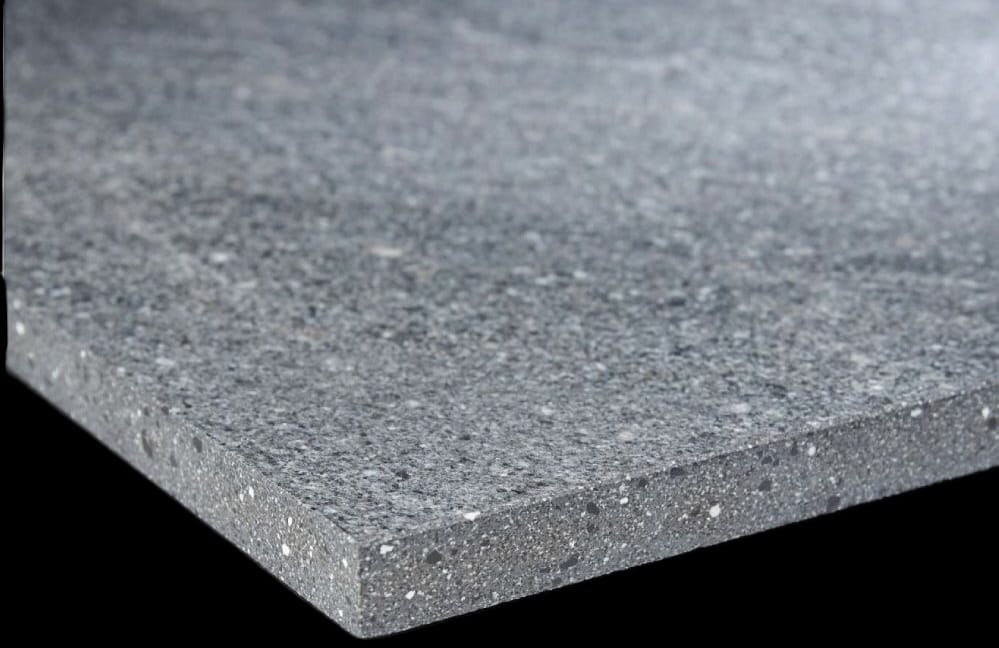
2. Full-Body Porcelain Tile: Full-body porcelain tiles have a consistent color and texture throughout the entire thickness of the tile. This means that even if the surface chips or wears down, the color and pattern will still be visible. They are ideal for high-traffic areas and commercial applications.
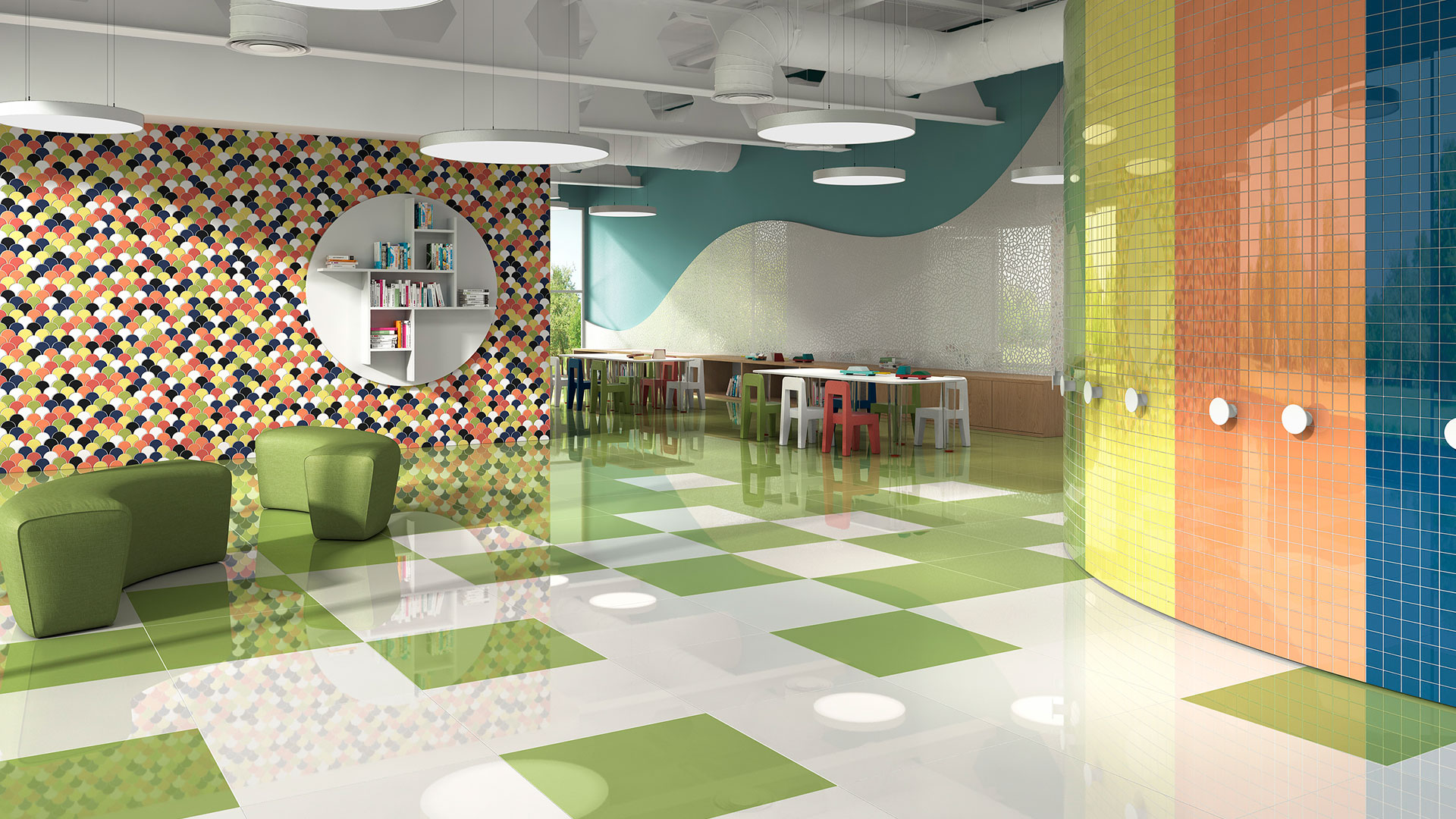
3. Polished Porcelain Tile: Polished porcelain tiles have a glossy, reflective surface that can create a luxurious and elegant look. The polishing process makes the tiles less porous, enhancing their stain resistance. However, they can be slippery when wet, so they are not recommended for areas prone to water exposure.
4. Matte Porcelain Tile: Matte porcelain tiles have a non-reflective, satin-like finish. They are less slippery than polished tiles and are often used in high-traffic areas or for outdoor applications. Matte tiles also tend to be more resistant to scratches and show less dirt and smudges compared to glossy tiles.
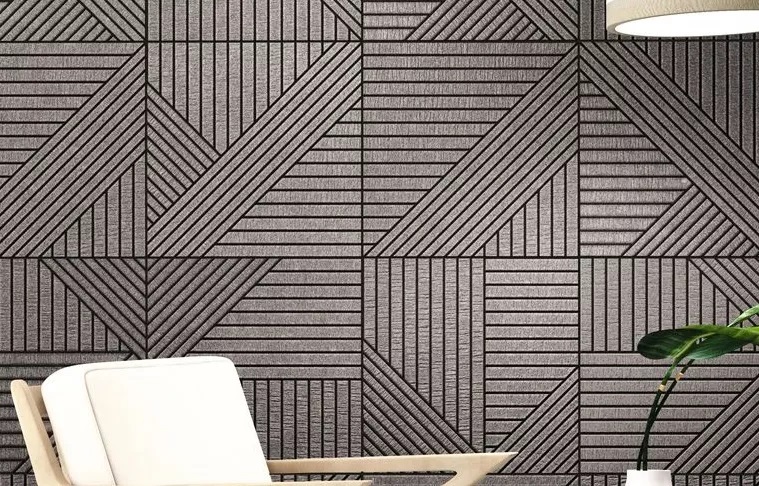
5. Textured Porcelain Tile: Textured porcelain tiles have a surface that is intentionally designed to have a texture or relief pattern. These tiles provide improved slip resistance, making them suitable for wet areas such as bathrooms, showers, or pool decks.
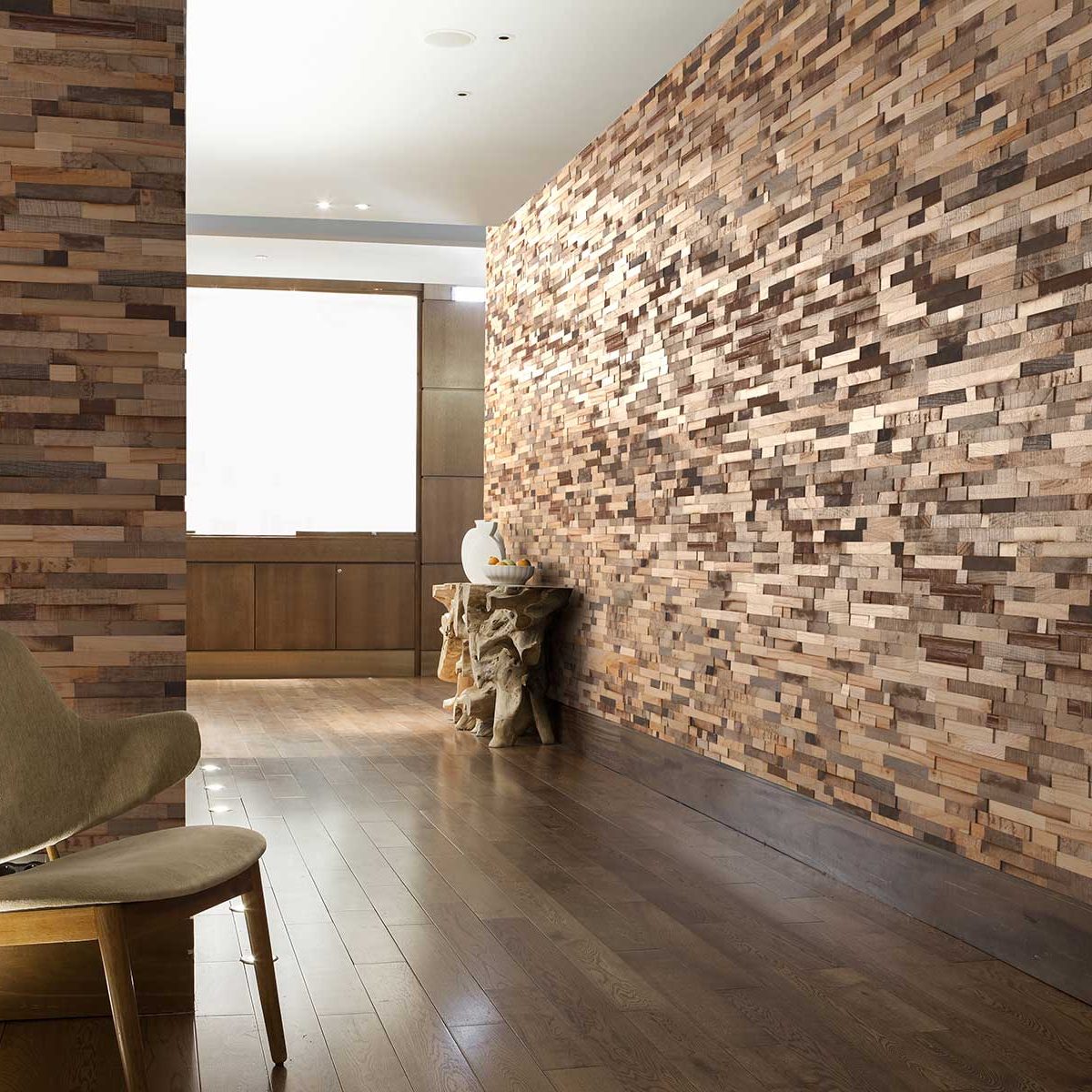 6. Wood-Look Porcelain Tile: Wood-look porcelain tiles are designed to mimic the appearance of hardwood flooring. They offer the warmth and beauty of wood but with the durability and low maintenance of porcelain. These tiles are an excellent choice for areas where moisture or wear might damage natural wood, such as kitchens, bathrooms, or basements.
7. Stone-Look Porcelain Tile: Stone-look porcelain tiles emulate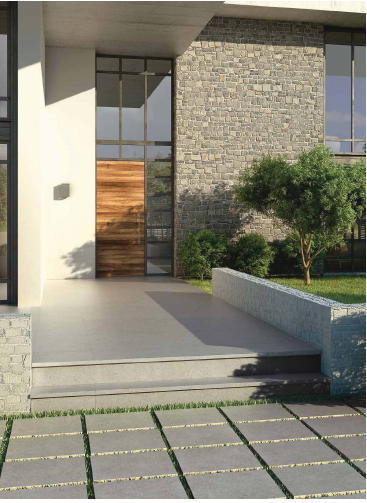 the natural beauty and texture of various types of stone, such as marble, travertine, or slate. They offer the aesthetic appeal of natural stone but with the added benefits of porcelain, such as greater durability, lower maintenance, and more consistent colors.
The Production Process of Each Porcelain Tile Type
Each type of porcelain tile undergoes specific production processes to achieve its unique characteristics. Here's a breakdown of the differences in production processes for glazed porcelain tile, full-body porcelain tile, polished porcelain tile, matte porcelain tile, and textured porcelain tile:
-
Glazed Porcelain Tile:
- Production Process: Glazed porcelain tiles start with a base tile body, which can be made using either the dry-pressed or wet-milled method. After the base tile is formed and fired, a layer of glaze is applied to the surface. The glaze is a liquid mixture of minerals and pigments that is sprayed or poured onto the tile surface. The glazed tiles are then fired again at high temperatures to fuse the glaze onto the tile body.
- Characteristics: Glazed porcelain tiles have a shiny, glossy surface due to the glassy layer of glaze. They come in a wide range of colors, patterns, and designs, making them versatile for various aesthetic preferences.
-
Full-Body Porcelain Tile:
- Production Process: Full-body porcelain tiles are made using the wet-milled method. The raw materials are mixed with water to form a slurry, which is then pressed into molds to create the tile body. Unlike glazed porcelain tiles, full-body porcelain tiles do not have a separate glaze layer. Instead, the color and pattern extend throughout the entire thickness of the tile body.
- Characteristics: Full-body porcelain tiles are highly durable and resistant to wear and scratches because the color and pattern run consistently throughout the entire tile body. They are suitable for high-traffic areas and outdoor applications.
-
Polished Porcelain Tile:
- Production Process: Polished porcelain tiles are typically produced using the wet-milled method. After the tile body is formed and fired, the surface undergoes additional processing to achieve a high-gloss finish. This may involve grinding the surface with abrasive materials followed by polishing with fine abrasives.
- Characteristics: Polished porcelain tiles have a smooth, reflective surface that adds a luxurious appearance to any space. They are available in a variety of colors and sizes and are often used in high-end residential and commercial projects.
-
Matte Porcelain Tile:
- Production Process: Matte porcelain tiles are produced similarly to glazed porcelain tiles, but without the final glossy glaze layer. After the tile body is formed and fired, the surface is left untreated or may undergo a finishing process to achieve a matte or satin texture.
- Characteristics: Matte porcelain tiles have a non-reflective surface that provides a softer, more understated look compared to glossy tiles. They are resistant to smudges and watermarks, making them suitable for high-traffic areas and wet environments.
-
Textured Porcelain Tile:
- Production Process: Textured porcelain tiles can be produced using either the dry-pressed or wet-milled method. After the tile body is formed and fired, the surface is treated to create texture or relief patterns. This may involve pressing or embossing the surface with rollers, molds, or other texturing tools.
- Characteristics: Textured porcelain tiles have tactile surface variations that add depth and visual interest to the tile design. They come in a variety of textures, such as natural stone, wood grain, or geometric patterns, and are often used to create a rustic or decorative look in both indoor and outdoor spaces.